Revolutionizing the Vineyard: How AI and Drone Technology Are Shaping Modern Wine Growing
Recent Trends
Across wine regions globally, growers are adopting AI-powered monitoring and drone-based imaging to manage vineyards with unprecedented precision. These tools are moving from experimental plots to commercial estates, driven by the need for consistent quality and reduced resource waste.
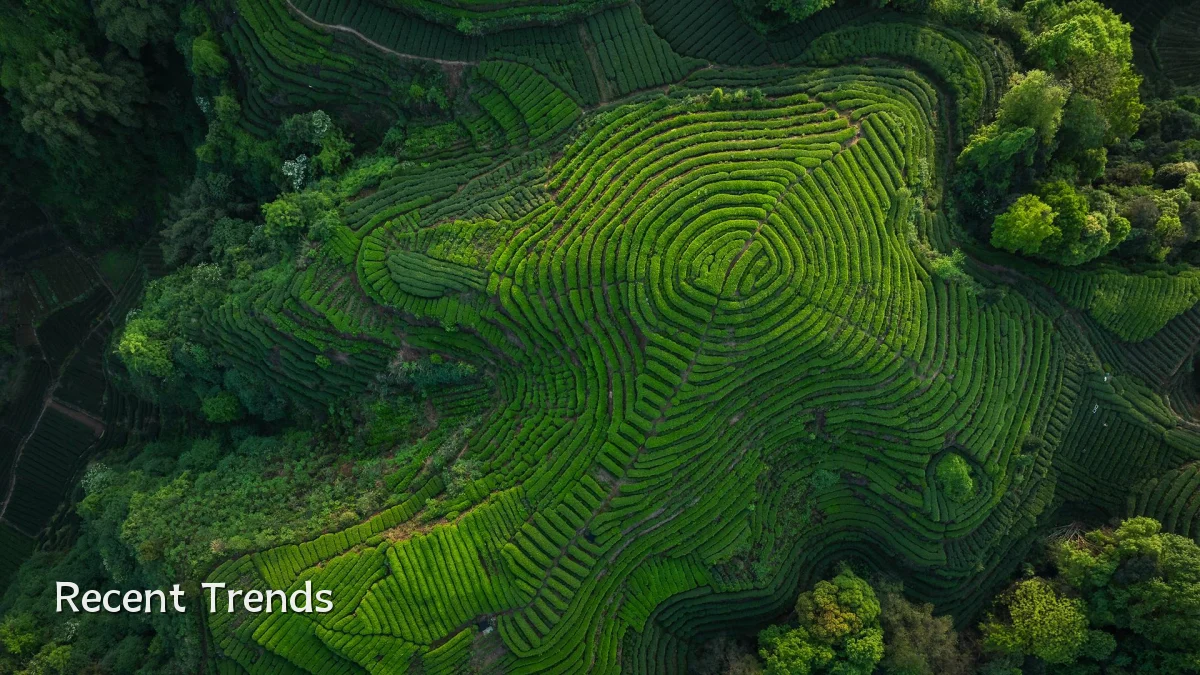
- Drones equipped with multispectral cameras map vine health, detecting water stress, pest pressure, and nutrient deficiencies before symptoms appear visibly.
- AI algorithms analyze historical weather data, soil conditions, and canopy vigor to recommend irrigation schedules and pruning strategies.
- Autonomous ground vehicles are being tested for targeted spraying and soil sampling, minimizing human exposure to chemicals and compaction of soil.
Background
Traditional wine growing relied heavily on manual observation and experience. Variations in microclimate and soil made it difficult to treat each vine individually. In the past decade, sensor costs dropped and processing power increased, enabling real-time data collection. The shift toward precision viticulture began with yield mapping in the early 2000s, but AI and drones represent a leap in speed and detail. Adoption has been uneven, with larger vineyards and those in regions facing labor shortages ahead of smaller family-owned estates.

User Concerns
Growers considering these technologies often raise practical and strategic questions. The most common concerns include:
- Cost and ROI: Equipment, software subscriptions, and data analysis services can require significant upfront investment. Small producers question whether savings in inputs or yield improvements justify the expense within a few seasons.
- Data ownership and privacy: When third‑party platforms process vineyard imagery and sensor data, growers may lose control over sensitive operational information that could affect land value or competitive advantage.
- Skill gap: Interpreting drone‑captured data and AI output demands new expertise. Current vineyard staff may need retraining, and hiring specialized technicians adds to overhead.
- Reliability in complex terrain: Hilly vineyards, dense canopies, and changing weather can reduce drone flight stability and image accuracy, leading to incomplete or misleading analytics.
Likely Impact
If current adoption trends continue, the industry could see measurable shifts over the next few years. Key outcomes likely include:
- Resource efficiency: More precise water and fertilizer application reduces runoff and lowers input costs by a meaningful margin, particularly in arid or drought‑prone regions.
- Consistency in quality: Early detection of disease or ripening anomalies allows targeted intervention, which can smooth out vintage variations and improve cellar‑level predictability.
- Labor redefinition: Routine scouting and spraying tasks may decrease, while demand grows for data analysts and drone operators. Some rural communities may face job displacement without retraining programs.
- Market differentiation: Wineries that embrace AI‑driven transparency may use it as a marketing tool, though consumer response to “tech‑made” wine remains untested at scale.
What to Watch Next
Several developments will shape how deeply these technologies embed into mainstream viticulture. Observers should monitor:
- Regulatory frameworks: Drone flight limits and data privacy laws vary by country. Stricter rules in major wine‑producing states (e.g., California, France, Australia) could slow deployment or raise compliance costs.
- Integration with climate models: As AI systems incorporate long‑term weather forecasting, growers may gain insight into when to replant varieties or shift trellising systems—moving beyond short‑term operational tweaks.
- Affordable entry points: Subscription‑based analytics and multi‑farm sharing schemes could make the technology accessible to smaller producers. If these models emerge, adoption may accelerate.
- Consumer perception: Wineries will test whether labeling or storytelling around data‑driven practices appeals to wine lovers who value tradition and terroir, or whether it creates skepticism about authenticity.