A Beginner's Guide to Starting Your Own Vineyard

Recent Trends in Small-Scale Viticulture
Interest in establishing small vineyards has risen noticeably over the past few growing seasons. Hobbyists, retiring professionals, and landholders with a few acres of suitable terrain are increasingly consulting extension services and regional winegrower associations. Emerging trends include a shift toward cold-hardy hybrid varieties in cooler zones, a growing preference for organic or biodynamic practices from the outset, and the use of online soil-mapping tools to assess site suitability before planting.
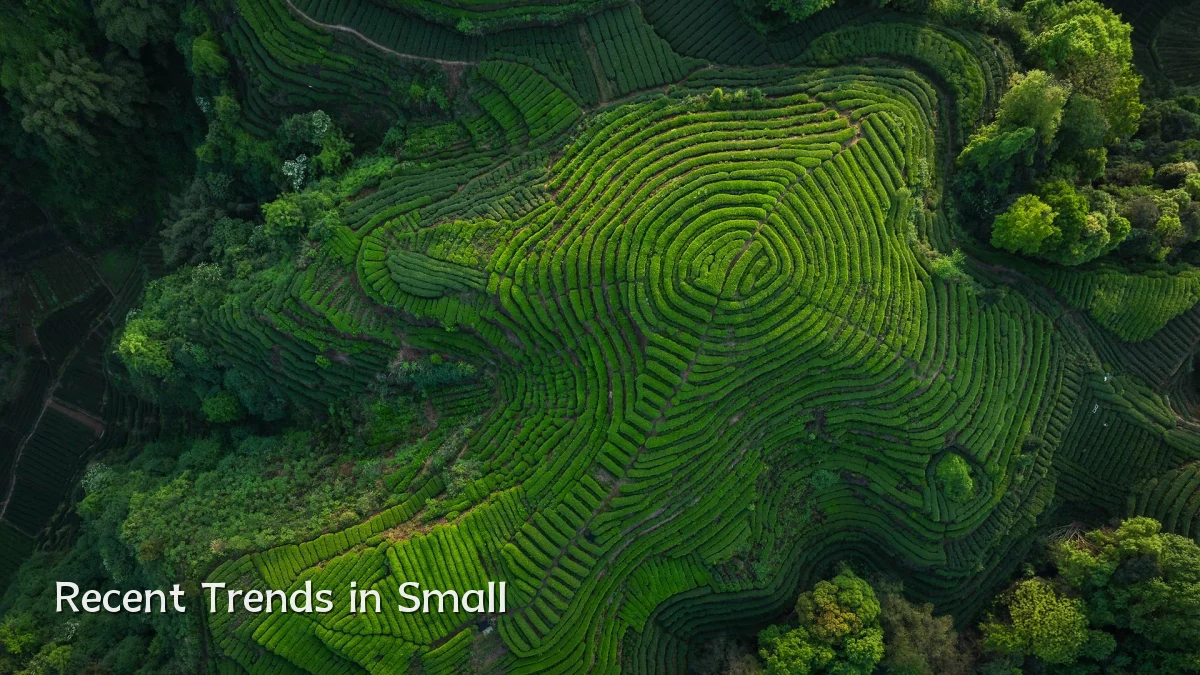
- More growers are trialling disease-resistant hybrids to reduce fungicide reliance.
- Demand for site-specific rootstock advice has increased, especially in non-traditional wine regions.
- Cost of land and establishment remains a top consideration, with prices varying widely by region.
Background: What New Growers Should Know
Starting a vineyard requires a long-term commitment. Vines typically take three to four years to produce a meaningful first harvest, and full yield potential may not be reached for five to seven years or longer. Site selection is fundamental: slope, aspect, soil drainage, frost risk, and local climate data all influence variety choice. A soil test covering pH, nutrients, and texture is a standard first step. Many extension agencies offer low-cost testing kits.

“The most common mistake beginners make is trying to force a variety into a site that does not suit it. Match the vine to the land, not the other way around.” – general consensus from viticulture advisers.
Key Concerns for Beginners
- Capital and cash flow: Establishment costs – including land preparation, trellising, irrigation, and vine purchases – can range from several thousand to tens of thousands per acre. Ongoing maintenance before revenue adds pressure.
- Climate risk: Late frosts, spring hail, and summer drought can wipe out a crop. Beginners should consider insurance options and site microclimate analysis.
- Labor and expertise: Pruning, canopy management, pest monitoring, and harvest are skilled tasks. Many beginners underestimate the time required, especially during peak seasons.
- Market access: Selling grapes to wineries or processing your own fruit requires a business plan, license, and distribution strategy. Small batches may face limited buyers.
Likely Impact of Current Conditions
With rising land costs and tightening interest rates, many new entrants are starting on smaller plots (one to five acres) and focusing on high-value, low-volume production. This trend encourages direct-to-consumer sales such as farm stands, wine clubs, and agritourism. However, regulations around on-site sales vary by locality and can affect viability. Meanwhile, shifts in seasonal weather patterns are pushing beginners to adopt more resilient trellising and irrigation systems, which raises initial costs but may reduce long-term risk.
Extension workshops and online courses are filling knowledge gaps, but the learning curve remains steep. Partnerships with established growers or mentorship programs are increasingly seen as a practical way to avoid expensive mistakes during the first three years.
What to Watch Next
- Regional variety trials: New data from university research stations may identify overlooked grape types suited to warming climates.
- Regulatory changes: Some states are updating direct-sale laws and farm winery licensing, which could open simpler paths for small growers.
- Affordable technology: Low-cost weather stations, soil moisture sensors, and drone mapping are becoming more accessible, helping beginners monitor their vineyards more precisely.
- Cooperative models: Shared processing facilities and joint-marketing arrangements may help smaller players compete for shelf space and buyer attention.