A Beginner's Guide to Vineyard Management: Essential Steps for Small-Scale Enthusiasts

Recent Trends in Small-Scale Viticulture
Small-scale vineyard management has seen growing interest as more enthusiasts seek hands-on involvement with wine production. Key trends include:
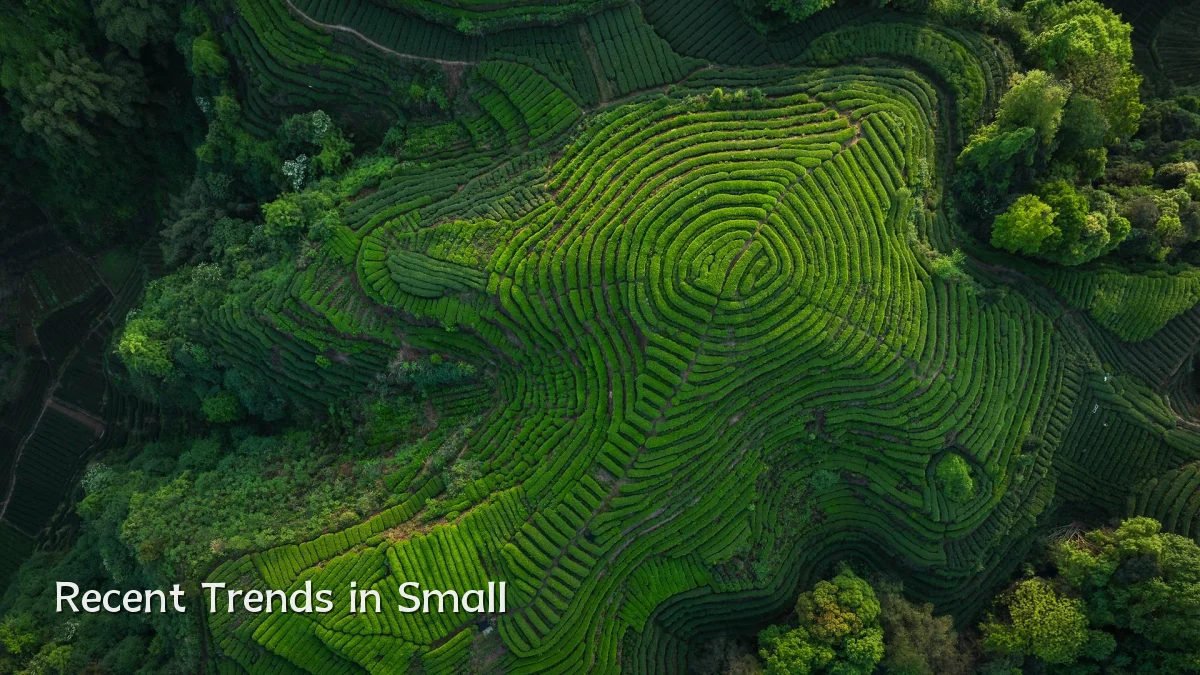
- Climate-adaptive varieties: Hobbyists are increasingly choosing grape cultivars bred for heat tolerance, drought resistance, or shorter growing seasons to cope with shifting weather patterns.
- Organic and regenerative methods: Many small growers avoid synthetic inputs, experimenting with cover crops, compost teas, and minimal tillage to improve soil health.
- Precision technology on a budget: Affordable soil moisture sensors, weather stations, and drone flyovers are being adopted to monitor vine stress without large capital outlay.
- Direct-to-consumer channels: Enthusiasts often sell limited batches through farmers’ markets, wine clubs, or online wine shops, bypassing traditional distribution.
Background: Why Vineyard Management Matters
Viticulture has long been a professional pursuit, but recent decades have seen a wave of hobbyists planting small plots—from suburban backyards to leased rural acreage. Unlike large commercial operations, these growers must balance passion with limited resources. Effective vineyard management—covering pruning, irrigation, pest control, and harvest timing—directly influences grape quality and plant longevity. Without a structured approach, beginners risk low yields, disease outbreaks, or vine loss during the first few seasons.

Common Concerns for Hobbyist Growers
Enthusiasts entering the field often face practical hurdles that differ from those of commercial vintners:
- Site selection and preparation: Many overlook soil drainage, sun exposure, and frost risk. A poorly chosen site can undermine even the best care practices.
- Pest and disease management: Common issues like powdery mildew, phylloxera, or bird damage require early detection. Beginners often struggle to identify problems before they spread.
- Labor and time constraints: Pruning, trellising, thinning, and harvesting demand seasonal work that can overwhelm a single person without prior experience.
- Cost control: Between vines, trellising systems, drip irrigation, and testing equipment, start-up expenses can range from a few hundred to several thousand dollars per acre.
- Steep learning curve: Understanding vine physiology, soil chemistry, and local regulations takes years of trial and error unless supported by workshops or mentorship.
Likely Impact of Current Developments
As climate conditions continue to shift, small-scale managers who adopt resilient varieties and data-driven irrigation will likely see more consistent harvests. The embrace of organic techniques, while labor-intensive, can improve long-term soil structure and reduce chemical costs, though yields may initially drop. Affordable monitoring tools are lowering the barrier to data collection, but without baseline knowledge, raw data can be misleading. Meanwhile, direct-to-consumer sales offer hobbyists a viable path to recoup investment—provided they navigate local licensing and distribution laws.
What to Watch Next
For beginners and experienced enthusiasts alike, several developments are worth monitoring:
- Community-based learning networks: Online forums, local extension programs, and regional grape-grower associations are expanding, offering practical guidance for site-specific challenges.
- Emergent pest pressures: Invasive insects and new fungal strains are being reported in shifting climates. Early warning alerts and resistant rootstocks may become critical.
- Regulatory updates: Labeling rules, alcohol production permits, and land-use zoning often change at the state or county level, affecting small-scale sales and expansion plans.
- Hybrid and even newer cultivars: Breeders continue to release varieties that combine cold hardiness with disease tolerance, expanding the geographic range for hobby vineyards.