The Complete Grape Grower’s Handbook: From Planting to Harvest
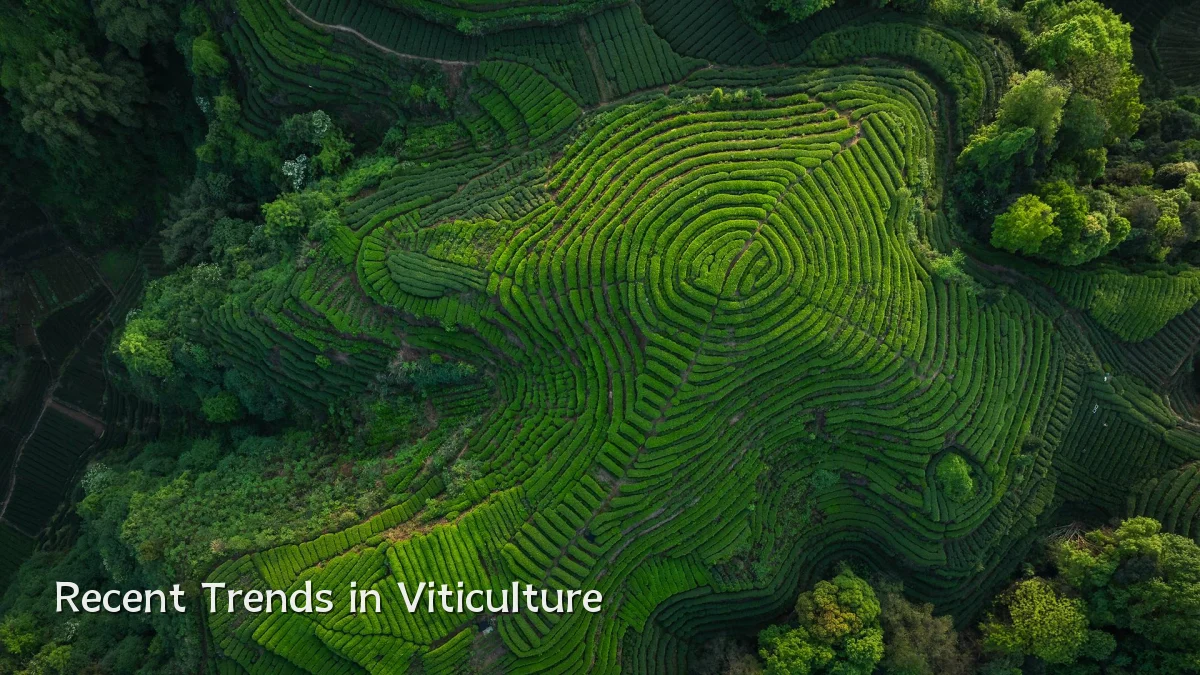
Recent Trends in Viticulture and Growing Practices
Interest in small-scale and regenerative grape growing has risen steadily in recent years. More individuals and communities are turning to vineyard establishment as a response to local food movements and a desire for reproducible, site-adapted methods. Growers increasingly seek integrated guidance that covers every phase—from variety selection through post-harvest care—rather than relying on fragmented advice. The demand for a single, structured reference has made handbooks like this one more relevant among both hobbyists and emerging commercial operators.
- Increased emphasis on soil health and biodiversity, moving away from monoculture approaches.
- Greater use of disease-resistant and rootstock-adapted varieties suited to changing climate zones.
- Adoption of precision irrigation and canopy management tools that reduce water and chemical inputs.
- Rising interest in organic and biodynamic certifications, influencing planting and pruning schedules.
Background of the Handbook and Modern Growing
Grape cultivation has a long documented history, but contemporary challenges—such as shifting growing seasons, pest pressure, and market volatility—require updated, evidence-based methods. "The Complete Grape Grower’s Handbook" consolidates practical knowledge from planting site assessment to harvest timing and storage. It addresses both table grape and wine grape production, offering decision criteria for trellis systems, irrigation types, and nutrient management that are adaptable to variable conditions. The handbook’s format reflects a broader shift in agricultural education toward accessible, actionable guides that combine agronomy with real-world grower feedback.

“A handbook that spans the full cycle allows growers to see cause-and-effect relationships—how a spring pruning decision affects autumn cluster quality. That continuity is often missing in shorter guides.”
— observation noted in grower forums and extension service materials
Key Concerns for Aspiring and Experienced Growers
Users of a comprehensive handbook often face specific recurring questions. The following issues are commonly raised by those starting or improving a vineyard:
- Site and climate suitability: How to evaluate slope, drainage, sun exposure, and frost risk without expensive equipment.
- Variety selection: Matching table vs. wine grapes to local growing-degree-days and disease pressure.
- Pest and disease management: Integrating cultural controls with low-impact sprays; timing of dormant vs. in-season applications.
- Harvest timing and flavor development: Using brix, acidity, pH, and berry visual cues to determine optimal picking windows.
- Post-harvest handling: Cold storage, partial processing for home winemaking, or fresh-market packaging.
Likely Impact on Small-Scale and Commercial Operations
For small-scale growers, a structured handbook can reduce trial-and-error losses by providing clear thresholds for irrigation scheduling, nutrient deficiency identification, and pruning severity. Commercial operators may benefit from standardized checklists that improve labor training and consistency across vineyard blocks. The impact is expected to be most pronounced in regions where extension services are limited or where growers are moving into grape production for the first time. However, no single guide can replace localized advice from experienced neighbors or agricultural scientists; the handbook serves best as a foundation to be supplemented with regional data and soil testing.
- Likely reduction in common early-season mistakes (over-pruning, under-fertilization, improper trellis height).
- Improved record-keeping and traceability, supporting certification processes.
- More confident adoption of sustainable practices such as cover cropping and reduced tillage.
- Potential over-reliance on general recommendations where site-specific adjustments are critical.
What to Watch Next in Sustainable Grape Cultivation
As the handbook circulates, its recommendations will interact with emerging technologies and policy shifts. Growers should monitor developments in remote sensing for vine stress detection, climate-resilient rootstock breeding, and updated regulations on pesticide buffer zones and water use. The next evolution of handbooks may incorporate digital decision-support tools that adapt the printed guidance to real-time weather and soil data. Meanwhile, community-driven networks continue to share local adaptations of universal practices—an area where the handbook’s principles can be tested and refined on the ground.
- Integration of sensor-based irrigation and yield forecasting with handbook-based scheduling.
- Updates to disease models for powdery mildew and downy mildew under warmer, wetter conditions.
- Growth of grower cooperatives pooling knowledge to customize handbook advice for microclimates.
- Increased attention to carbon sequestration potential in permanent vineyard crops.