Innovative Grape Cultivation Techniques for Sustainable Vineyards
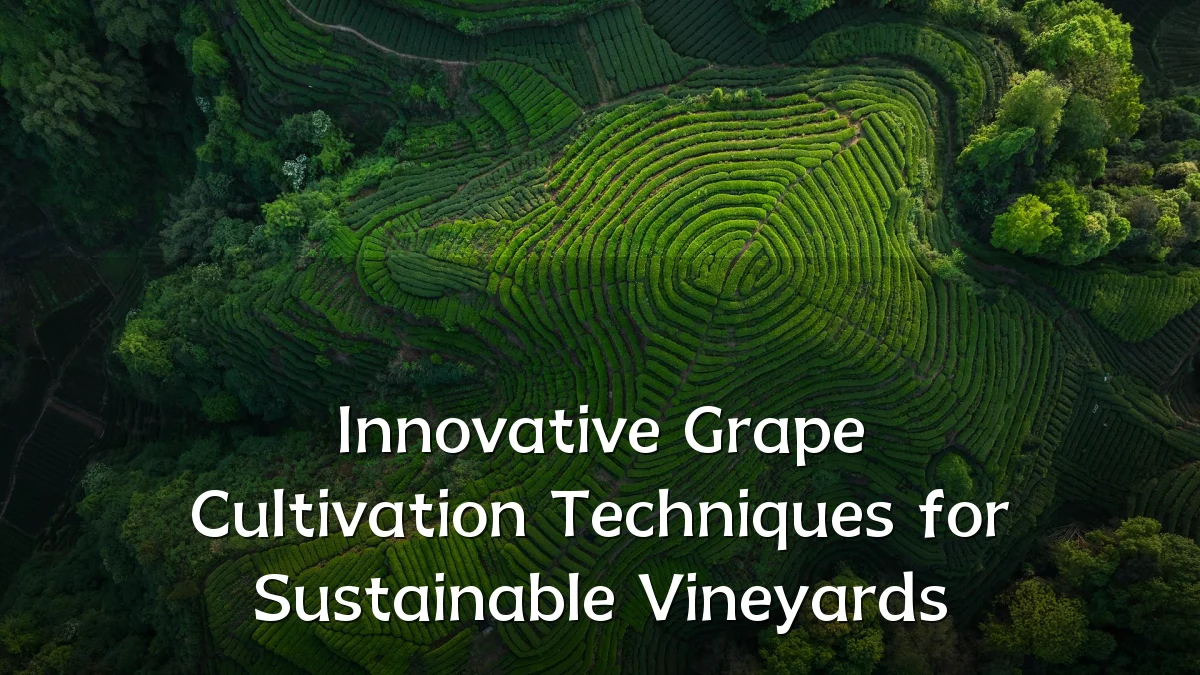
The global wine and table grape industry is increasingly turning to innovative cultivation methods that reduce environmental impact while maintaining yield and quality. Growers are experimenting with a suite of techniques—from precision irrigation to regenerative soil management—to build resilience against climate volatility and shifting market demands. This analysis examines the current state of these approaches, the concerns driving adoption, and the likely trajectory for sustainable vineyards.
Recent Trends
In recent years, a noticeable shift has occurred toward integrated vineyard management that minimizes chemical inputs and water waste. Key developments include:

- Precision irrigation systems that use soil moisture sensors and weather data to deliver water only when and where needed, reducing usage by 20–40% in many regions.
- Cover cropping and inter-row planting to improve soil organic matter, reduce erosion, and create habitat for beneficial insects, cutting reliance on synthetic fertilizers and pesticides.
- Drought-tolerant rootstocks bred or selected for specific terroirs, allowing vineyards to thrive with less irrigation.
- Automated canopy management using drones or sensors to assess leaf area and sun exposure, improving fruit quality and disease resistance.
These techniques are being piloted in both established wine regions and newer grape-growing areas, often with support from agricultural extension services and research institutions.
Background
Traditional grape cultivation has long relied on consistent climate patterns, ample water, and chemical pest control. However, increasing drought frequency, soil degradation, and pesticide regulations have forced growers to seek alternatives. Many of today’s “innovative” methods draw on older practices—such as manual canopy thinning or natural compost—but now incorporate modern data analytics and low-impact technology. The push for sustainability also aligns with consumer demand for eco-friendly products, though certification programs for “sustainable wine” vary widely in criteria and enforceability.

User Concerns
Grape growers evaluating these new techniques commonly express several practical worries:
- Upfront cost and ROI: Precision tools and custom rootstocks can require significant initial investment. Growers are uncertain about payback periods, especially on smaller or newer vineyards.
- Knowledge and training gaps: Many techniques require specialized skills in data analysis, sensor calibration, or regenerative soil management that aren’t yet widely available in the labor force.
- Risk of yield variability: Reducing inputs (water, synthetic nutrients) can sometimes lead to lower yield in the first few seasons, posing financial risk for growers who depend on steady production.
- Regional suitability: A method that works in a temperate, high-rainfall zone may fail in a semi-arid area with different soil types. Growers worry about adopting techniques without local validation.
Likely Impact
Adoption of sustainable grape cultivation techniques is expected to gradually reshape vineyard operations over the next five to ten years. The most probable outcomes include:
- A measurable reduction in water use across major grape-growing regions, particularly in areas facing chronic drought.
- Improved long-term soil health, leading to more consistent fruit quality and lower input costs for growers who stay the course.
- Greater differentiation in the marketplace, with sustainably-certified grapes commanding a modest price premium (typically 5–15%) in certain retail and export channels.
- Increased collaboration between growers, research bodies, and technology providers to standardize best practices and lower barriers to entry for smallholdings.
What to Watch Next
The evolution of sustainable vineyards will depend on several factors that growers and industry observers should monitor:
- Regulatory shifts: Governments in key wine-producing countries are considering stricter limits on water extraction and chemical use, which could accelerate adoption of the techniques described here.
- Climate adaptation trials: Ongoing experiments with grape varieties and rootstocks in warmer or drier conditions will determine which innovations are scalable beyond demonstration plots.
- Technology affordability: As sensor and drone hardware becomes cheaper, more growers may gain access to precision tools. Watch for open-source or cooperative models that reduce individual costs.
- Consumer education: The impact of sustainability claims on actual purchasing behavior remains unclear. Future marketing campaigns and label transparency initiatives will influence whether growers see a return on their sustainable investments.
While no single technique offers a one-size-fits-all solution, the collective momentum toward innovative, sustainable grape cultivation suggests that the vineyards of tomorrow will be fundamentally different from those of the past—more data-driven, ecologically integrated, and resilient to change.