The Ultimate Guide to Regional Wine: How Terroir Shapes Every Sip

Recent Trends
In recent years, wine drinkers have moved away from generic blends toward wines that clearly identify their origin. Tasting rooms and retailers report growing interest in single-vineyard and appellation-specific bottlings. Social media and wine-app forums have amplified discussions about how soil, climate, and local farming practices influence flavor. Many producers now emphasize "complete regional wine"—a style that aims to capture the full expression of a place rather than chasing international scores.

- Rise in "place-based" marketing: labels highlighting specific valleys, slopes, or village names.
- Increased demand for indigenous grape varieties linked to historic growing areas.
- Wine tourism shifting to educational experiences that explain terroir firsthand.
Background: The Terroir Concept
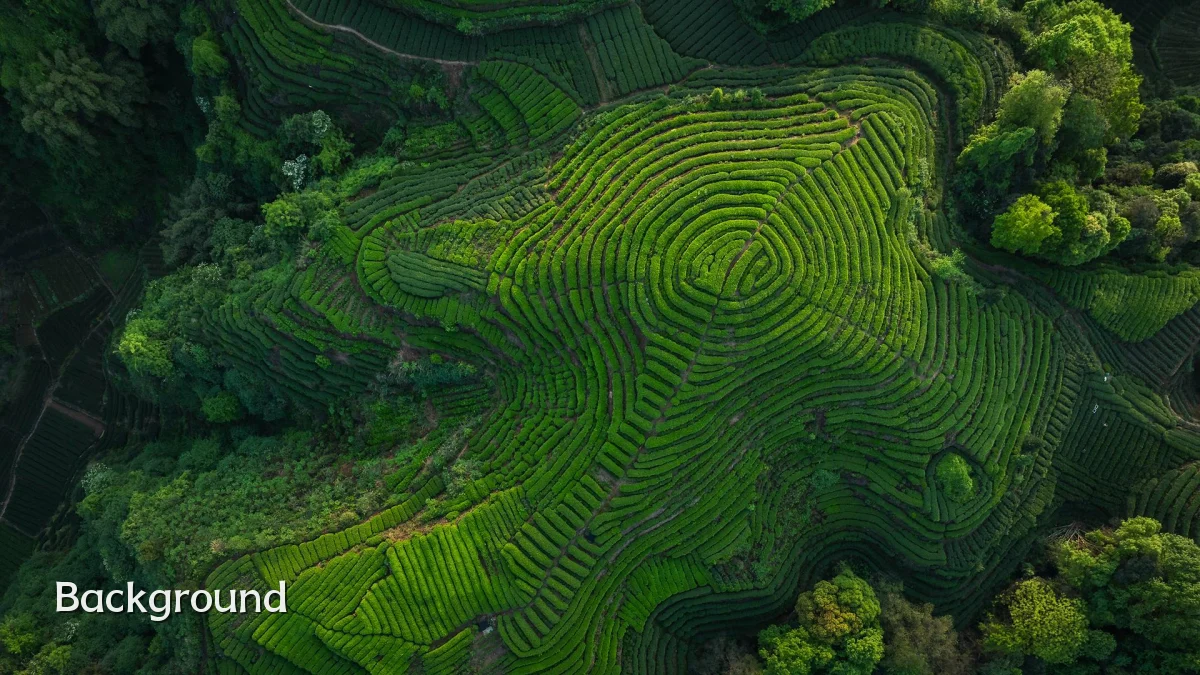
The idea that a wine carries the signature of its origin is not new. French vignerons codified the term "terroir" centuries ago to describe the total natural environment—soil, topography, climate, and microflora—that shapes a vine's fruit. Over time, winemakers learned that even a few kilometers' difference in slope or bedrock could produce distinct wines. Today, terroir is understood as the interplay of geology, weather patterns, vineyard management, and human tradition. A complete regional wine is one where that interplay is evident in every sip, without heavy manipulation during winemaking.
- Key terroir factors: mineral composition, drainage, sun exposure, prevailing winds, elevation.
- Human elements: pruning methods, harvest timing, fermentation practices that preserve origin character.
- Legal frameworks: many regions have appellation systems that define permitted grapes and practices to protect authenticity.
User Concerns: Authenticity vs. Consistency
Enthusiasts often worry that globalized wine production erases regional identity. A common complaint is that some wines from celebrated regions taste similar to mass-market offerings from elsewhere. Conversely, inconsistent vintages frustrate buyers who expect the same profile year after year. The tension lies between preserving variability (which some consider the soul of terroir) and delivering a reliable product. Questions also arise about certification: how can a consumer verify that a wine labeled "regional" truly reflects its origin?
- Trust in labeling: look for official appellation seals, single-vineyard designations, or producer reputation for transparency.
- Vintage variability: embrace or avoid? Some drinkers seek out bottles from challenging years for unique character.
- Price vs. quality: complete regional wines often command higher prices but may not guarantee personal preference—taste remains subjective.
Likely Impact on Wine Regions and Consumers
As demand for territorial authenticity grows, wine regions that have long championed terroir—like Burgundy, Piedmont, or the Mosel—could see continued prestige. Emerging regions with distinct geography (for example, high-altitude vineyards in South America or limestone-rich areas in South Africa) may gain recognition for producing complete regional wines. For consumers, the trend means more education opportunities and a broader spectrum of flavor experiences. However, it may also lead to market fragmentation, where small producers struggle to compete with larger estates that use terroir rhetoric without truly practicing it.
- For regions: potential economic boost from tourism and export of authentic wines.
- For consumers: a need to develop personal criteria—taste multiple examples from a region to identify what "complete" means to you.
- Risk of "terroir washing": vague marketing claims without substance.
What to Watch Next
Climate change is reshaping terroir itself, forcing traditional regions to adapt. Warmer temperatures may shift ideal grape zones, while extreme weather events threaten site-specific vines. New precision agriculture tools—such as soil sensors and drone imaging—could help winemakers preserve regional character despite environmental pressures. Meanwhile, younger drinkers increasingly value stories of place and sustainable practices. The next frontier may be hyper-local wines, such as single-plot bottlings or experimental co-fermentations that capture a specific harvest moment.
- Monitor vineyard adaptation strategies: rootstock changes, canopy management, irrigation innovations.
- Watch for new official appellations in historically overlooked areas.
- Follow advocacy groups that promote transparent labeling of origin and practices.