The Ultimate Guide to Wine Tasting in Napa Valley: Tips from Local Sommeliers
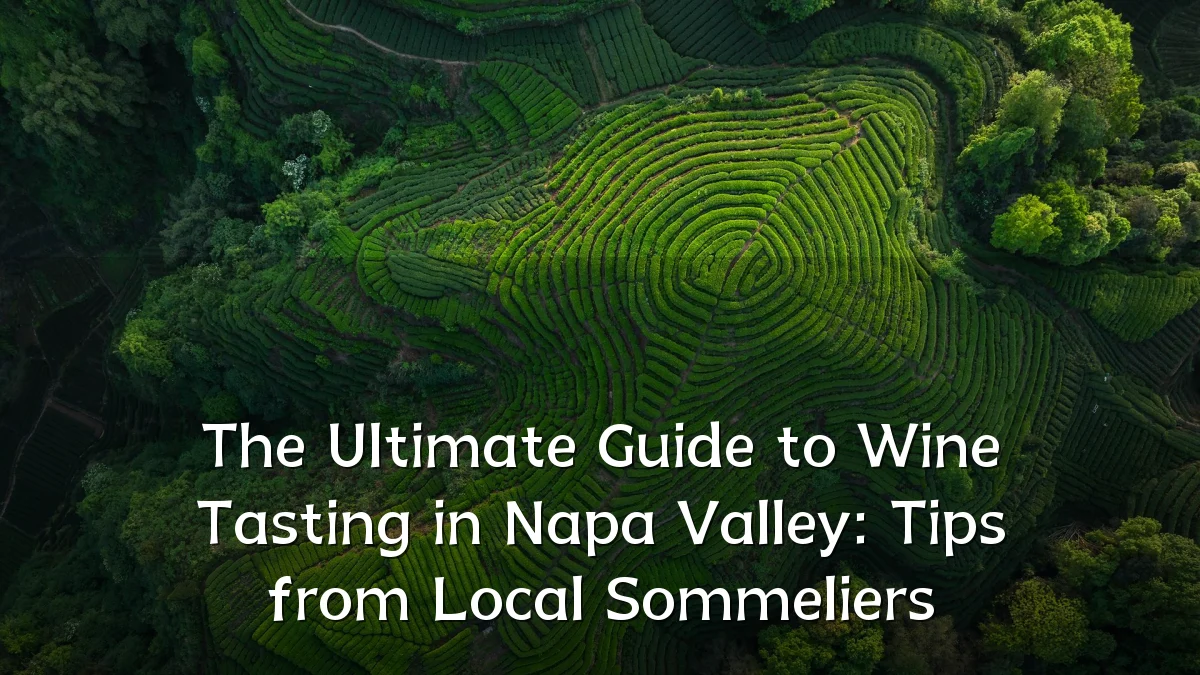
Napa Valley remains a benchmark destination for wine tourism, but the tasting landscape has shifted meaningfully in recent seasons. Local sommeliers increasingly advise visitors to approach each tasting with a blend of curiosity and strategic planning. This analysis examines current developments, underlying trends, common visitor concerns, likely industry impacts, and what to anticipate next.
Recent Trends in Napa Valley Wine Tasting
Wineries across the valley have moved toward appointment-only tastings and smaller, more curated experiences. Many now emphasize educational components—such as vineyard walks or blending sessions—rather than simple flights. Sommeliers point to a rising preference for seated tastings that allow slower, more reflective engagement with each wine.
Sustainability has also become a front-of-mind topic. Several tasting rooms now highlight organic or biodynamic practices in their presentations. Local sommeliers recommend asking about vineyard-level details, noting that these conversations often reveal the character of a region’s terroir.
- Appointment-only tastings now common; walk-ins increasingly rare.
- Educational add-ons (barrel samples, food pairings) growing in popularity.
- Sustainability credentials frequently featured in tasting narratives.
Background: The Evolution of Tasting Experiences
Napa Valley’s tasting culture has transformed over the past decade. What was once a largely informal, often free experience has become a structured, fee-based service. The shift reflects rising land values, increased tourism demand, and a desire by wineries to control visitor flow and enhance brand perception.
Sommeliers note that this evolution has raised the bar for service quality. Today, a typical tasting at a well-regarded property includes guided commentary, specific glassware, and often a private host. The change has also encouraged visitors to research and book in advance, as popular estates frequently sell out weeks ahead during harvest season or spring weekends.
User Concerns: Navigating a Crowded Market
Visitors regularly cite several challenges when planning a Napa tasting itinerary. Cost can be a barrier—tasting fees now commonly range from moderate to premium for standard flights. Availability is another issue, especially at boutique-size producers. Palate fatigue also arises when too many tastings are scheduled in a single day.
Local sommeliers offer practical guidance to mitigate these concerns:
- Limit tastings to two or three per day; allow at least 90 minutes per appointment.
- Alternate tasting styles (e.g., a red-focused estate with a sparkling house) to reset the palate.
- Ask about fee waivers with wine purchases—many wineries still offer this, though not always advertised.
- Use a designated driver or join a guided tour to avoid transportation stress.
- Call ahead for same-day cancellations; released spots occasionally become available.
Likely Impact on the Wine Tourism Sector
The current emphasis on reservation-based, immersive tastings may reinforce Napa’s reputation as a premium destination, potentially narrowing its accessibility. Smaller producers could benefit by offering exclusive appointments that highlight limited-production wines, while larger wineries may face pressure to maintain personalized service at scale.
Sommeliers note that the trend toward “slow tasting” aligns with broader consumer interest in mindfulness and authenticity. This could lead to further specialization—such as appellation-specific tastings or seasonal verticals—and encourage visitors to focus on fewer, deeper experiences rather than rapid tourism. The impact on local hospitality services (lodging, dining) may be positive as visitors stay longer and explore more deliberately.
What to Watch Next: Evolving Regional Wine Advice
Looking ahead, sommeliers expect digital tools to play a larger role in shaping tasting itineraries. Dynamic scheduling platforms, virtual waitlists, and real-time availability updates could reduce friction for last‑minute planners. Some also anticipate a rise in collaborative tasting events that feature multiple producers in a single setting, giving visitors a broader regional perspective in less time.
Climate considerations are another area to monitor. As growing seasons shift, sommeliers may begin advising guests on which varieties to seek out based on recent vintage characteristics. The core advice, however, remains timeless: come curious, ask questions, and respect the working nature of the vineyards.