From Grape to Glass: A Beginner's Guide to Understanding Viticulture
Recent Trends in Vineyard Education for Enthusiasts
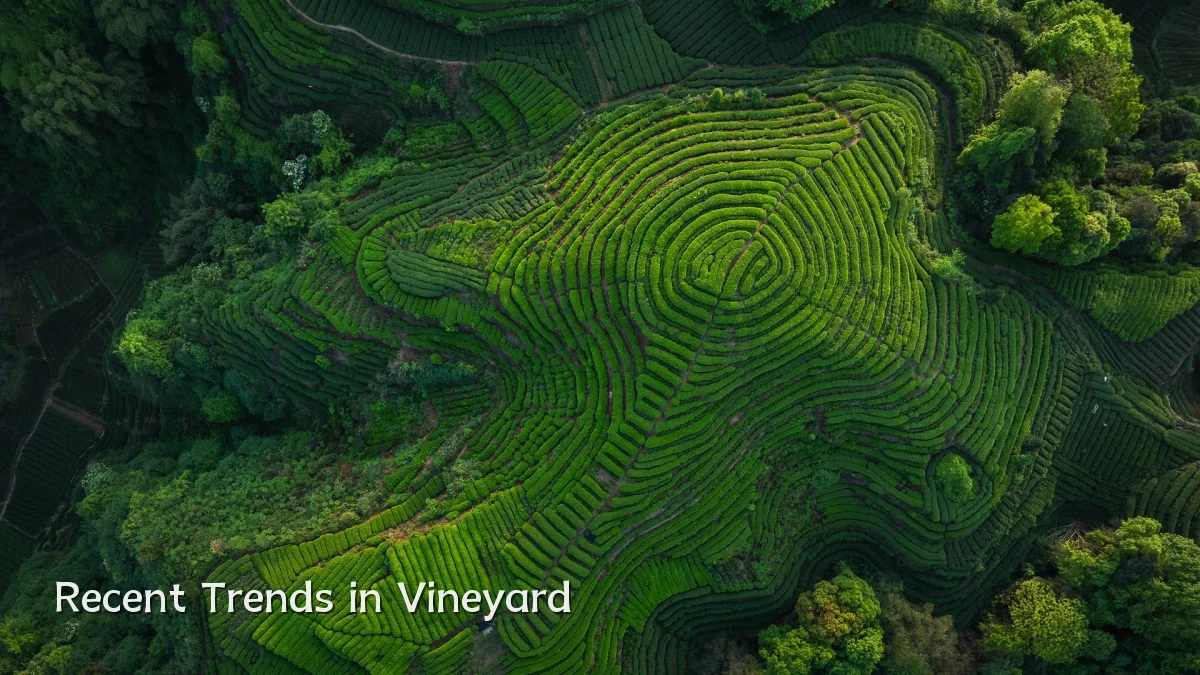
In recent years, a surge of non-professional learners has turned to structured vineyard education—not to become commercial growers, but to deepen their appreciation of wine. Online platforms and local extension programs now offer modular courses that break down viticulture into digestible topics, from trellis systems to soil microbiology. Weekend workshops at working vineyards have also gained popularity, allowing enthusiasts to observe pruning, canopy management, and harvest decisions firsthand.
- Short-form video content (e.g., Instagram Reels, YouTube series) summarizing key seasonal tasks.
- Affordable micro-credentials (e.g., 4‑week online certificates) from agricultural colleges.
- Subscription-based model vineyards that send “vineyard update” emails alongside wine club deliveries.
Background: Why Viticulture Matters to the Wine Drinker
Viticulture—the science and practice of grape growing—is the foundation of wine quality. While many wine enthusiasts focus on tasting notes or winemaking techniques, understanding how a vine responds to climate, soil, and training methods reveals why wines from different regions taste distinct. Traditionally, viticulture knowledge was reserved for growers and oenology students, but the farm‑to‑table movement and a growing interest in terroir have pulled this topic into the mainstream.

Key concepts a beginner typically encounters include the annual vine cycle (dormancy, budbreak, flowering, veraison, harvest), the role of rootstocks, and how pruning strategies affect yield and fruit concentration.
User Concerns: Common Barriers to Learning Viticulture
Enthusiasts who want to move beyond wine tasting often face several practical hurdles:
- Perceived complexity: Terms like “degree days” or “leaf‑to‑fruit ratio” can intimidate beginners, even though many concepts can be explained through simple analogies.
- Lack of hands‑on access: Without a nearby vineyard, learners rely heavily on diagrams and video, which can make spatial tasks (e.g., cane pruning) harder to internalize.
- Time commitment: The vine cycle spans a full calendar year; a one‑day workshop captures only a snapshot. Follow‑up resources are essential.
- Cost: Formal multi‑day enology programs can range from moderate to high, discouraging casual hobbyists.
Likely Impact: How Education Shapes Consumer Behavior
As more enthusiasts gain a working knowledge of viticulture, several shifts are probable. Informed consumers may become more willing to pay a premium for grapes grown with specific canopy management or dry‑farmed vineyards. They may also develop stronger preferences for wines from particular soil types or climates. On the grower side, vineyards that offer public tours with educational components—such as explaining cover‑cropping decisions—could attract a loyal, engaged customer base.
“An enthusiast who understands why a grower chose a vertical‑shoot‑positioned trellis over a V‑SPR is more likely to remember the wine and share the story with others.” — observation often heard in wine‑education circles.
For online course providers, the trend signals an opportunity to create year‑long “vineyard diaries” that learners follow in real time, bridging the gap between seasonal content and lasting comprehension.
What to Watch Next
Several developments are poised to affect how beginners access viticulture knowledge:
- Certified “vineyard enthusiast” credentials – a growing number of wine organisations are piloting non‑examination pathways that provide a certificate of completion for participating in a full growing‑season program.
- Augmented reality (AR) tools – apps that overlay vine‑structure diagrams on a live smartphone camera feed could help learners identify parts of a vine without a real‑world guide.
- Crowd‑sourced climate data projects – citizen‑science initiatives that pair home growers with university researchers might become a gateway for amateurs to contribute while learning.
- Regional “vineyard walks” – free or low‑cost walking tours hosted by growers during key phenological stages, open to the public.
The next phase of vineyard education for enthusiasts is likely to become more visual, seasonal, and community‑driven—helping beginners move from passive wine appreciation to active, informed partnership with the land.